By Deeksha Raju
INTRODUCTION
Your immune system isn’t just built from DNA – it’s shaped by where you live, what you eat, and even the animals you live alongside. While the core mechanisms of immunity are shared across human populations, selective pressures on immune function can vary dramatically across different ecological and cultural contexts.
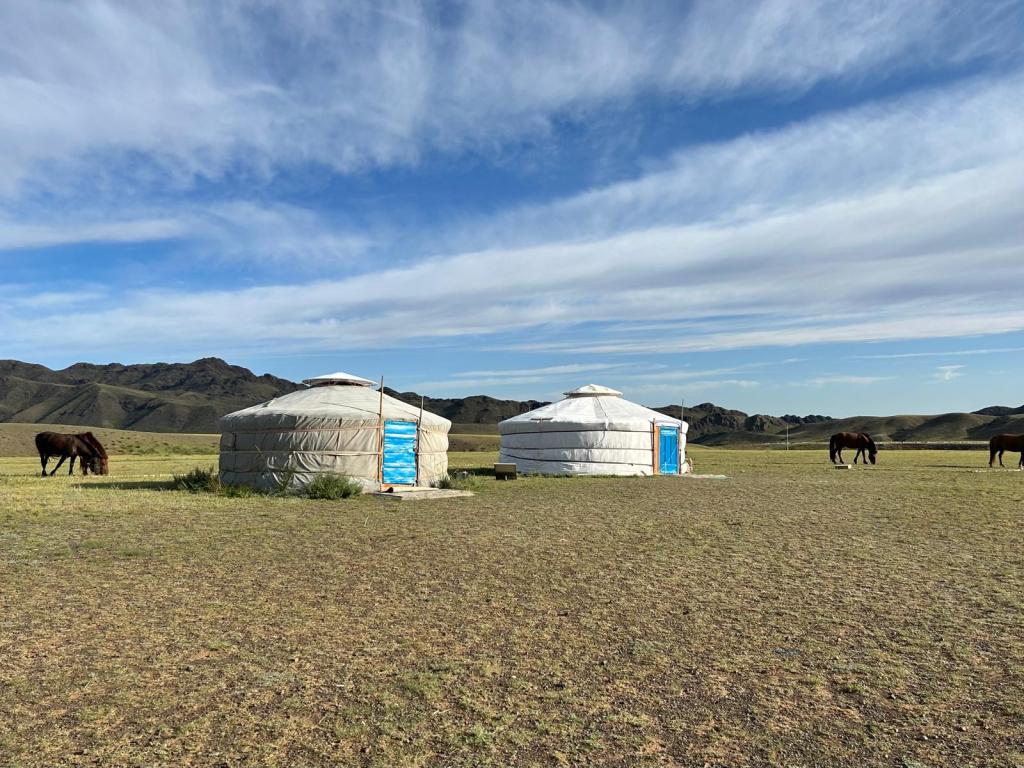
Earlier this year, I had the opportunity to travel through Mongolia – a vast, rugged country where many families still live as nomadic herders, moving seasonally across the steppe (a large, dry, treeless grassland). With a population density among the lowest in the world and a strong tradition of close contact with livestock, reliance on untreated water sources, and survival in one of the most climatically extreme environments on Earth, Mongolia’s lifestyle and environment contrast starkly with those of Switzerland, a highly urbanized, affluent nation with strong public health measures, widespread sanitation, and relatively low pollution.
As I spent time with nomadic families living in gers (traditional yurts), sharing meals of fermented dairy and boiled mutton (much to the dismay of my vegetarian travel companion), I began to wonder: How does this kind of life, which is so deeply connected to nature, animals, and extreme climate, shape the immune system? And how might it differ from what we, in Switzerland, consider “normal” immune development in sanitised, urban environments?
This blog post dives into the intriguing differences between two populations with very different ways of life: the nomadic herders of Mongolia and the settled communities of Switzerland. By exploring the roles that environment, microbiota, genetics, and immune adaptation play in shaping human immunity, we can uncover how our immune systems are both universally similar and deeply influenced by the world around us.
PET DOGS OR PET COWS?
Mongolia is home to more than 64 million livestock – almost 20 times its human population1. For many Mongolians, especially in rural areas, daily life is deeply intertwined with animals through traditional herding practices that remain central to both culture and survival. This close human-animal relationship is a double-edged sword: while it sustains livelihoods, it also increases the risk of zoonotic diseases such as tuberculosis, anthrax, rabies, and brucellosis, posing ongoing challenges to both public health and the national economy.1
But from an immunological standpoint, could this close animal exposure offer unexpected benefits? Studies suggest yes. Research in Sweden found that children raised on farms and regularly exposed to livestock, had a 50% lower risk of developing asthma.2 The prevailing hypothesis is that early and repeated exposure to diverse microbial environments trains the immune system to develop tolerance, thereby reducing hypersensitivity to common allergens like pollen and dust mites.3
Switzerland offers a striking parallel. Large cohort studies have shown that Swiss farm children (those who grow up around livestock, barns, and unprocessed milk) are 30-50% less likely to develop asthma or hay fever than their non-farming peers.4,5 Interestingly, another European study found that adults who spent their childhoods on farms also show lower rates of allergic rhinitis later in life, highlighting how early environmental contact can leave a lasting imprint on immune balance. 6
Of course, not all of us grow up herding livestock in rural Mongolia or milking cows on a Swiss dairy farm. However, I offer a more accessible alternative: adopting a dog. While pet ownership doesn’t provide the same level of immune “training” as living on a farm, studies suggest that children raised with dogs experience a 13-14% lower risk of asthma.2 This protective effect is likely mediated by increased microbial diversity in the home, as dogs bring in environmental microbes on their fur, paws, and saliva, helping to promote a more regulated and tolerant immune response. If only I’d known this sooner – it might have helped me win the case for a family dog.
MOVE OVER KOMBUCHA…INTRODUCING FERMENTED MARE’S MILK
The traditional Mongolian diet is rich in animal fat, protein, and naturally fermented dairy products like airag (fermented mare’s milk), tarag (yogurt-like drink), and various hard cheeses. These unpasteurised, microbially active foods help shape a gut microbiome enriched in taxa such as Lactobacillus and Bifidobacterium.7 These microbes ferment dietary substrates to produce short-chain fatty acids (SCFAs) like butyrate, which are critical for maintaining intestinal barrier integrity, promoting regulatory T cell (Treg) differentiation, and suppressing pro-inflammatory cytokines like IL-6 and TNF-α.8–10 This fosters a tolerogenic mucosal environment that protects against inappropriate immune activation.
That said, raw and unpasteurised products can also carry health risks – especially for people who aren’t accustomed to the local microbes. What’s a safe daily staple for nomadic families could cause trouble for an unadapted gut. Consumption of unpasteurised dairy has been associated with outbreaks of foodborne infections such as Brucella, Listeria, and Salmonella especially when consumed by people unaccustomed to the regional microbial flora.11,12
Our beloved Swiss diet, well-known for cheese fondue, hearty raclette, and rösti, typically relies on pasteurised dairy alongside processed and cooked foods, with less frequent consumption of raw or traditionally fermented products. It often features abundant cereals, potatoes, and refined carbohydrates, combined with a moderate intake of fruit and vegetables. Although generally rich in fibre, this diet is associated with lower gut microbial diversity compared to traditional diets, reflecting a reduced abundance of key SCFA-producing bacteria. This is partly due to the dominance of pasteurised and sterilised foods, which lack the live microbes essential for supporting a healthy gut microbiota.13,14
Moreover, food additives common in processed Swiss and Western foods, such as emulsifiers and preservatives, have been linked to altered gut microbiota composition, reduced mucus layer integrity, and increased intestinal permeability, fostering chronic low-grade inflammation.13 Such dysbiosis is correlated with heightened Th1 and Th17 immune responses, decreased Treg function, and increased incidence of autoimmune, allergic, and inflammatory diseases, including asthma and inflammatory bowel disease (IBD), conditions that are rising in Switzerland.16,17
This dietary contrast underscores how traditional, microbially rich Mongolian foods may enhance immune regulation, while Swiss urban diets, despite their nutritious reputation, could contribute to microbial imbalance and immune dysregulation.
IN THE THICK OF IT: ULAANBAATAR’S AIR POLLUTION CRISIS
Ulaanbaatar, the capital of Mongolia and the coldest capital city in the world, also ranks among the most polluted. In winter, PM2.5 levels exceed WHO guidelines by up to 27 times, posing serious health risks, particularly for children.18 Much of this pollution originates from household heating in the city’s “ger” districts, where families burn raw coal and other low-grade fuels to survive the extreme cold.19,20 Thick smog from thousands of stoves blankets the city, and despite efforts to reduce pollution, such as coal bans and rural migration limits, clean air remains a pressing challenge tied to issues of energy access, social equity and public health.21
By contrast, air pollution in Switzerland is relatively low thanks to strict environmental regulations and widespread access to clean energy.22 Although particulate levels still sometimes exceed WHO guidelines (e.g. 10.9 µg/m³ in Zurich in 2019), they remain comparatively low and far closer to target levels than those in Ulaanbaatar23. This stark difference illustrates how residents in Ulaanbaatar face a uniquely severe exposure burden compared to the more regulated and cleaner air environment of cities across Switzerland.
Immunologically, chronic exposure to fine particles triggers persistent low-grade inflammation, mediated by cytokines such as IL-6, TNF-α, and IL-1β.5 Over time, this can disrupt immune regulation, increasing susceptibility to infections, asthma, allergies, and autoimmune conditions.24 Children are particularly vulnerable, as immunological and epithelial maturation are incomplete; pollutant exposure during this developmental window can impair barrier formation, skew differentiation toward Th2 and Th17 lineages, and suppress regulatory T cell induction, predisposing to chronic inflammatory disorders.25–27 Emerging evidence also indicates that particulate exposure can induce “trained immunity” in innate cells – boosting short-term defences but potentially fuelling chronic inflammation.28,29 Even prenatal exposure is concerning: particles that cross the placenta can trigger maternal immune activation, oxidative stress, and altered foetal immune development, increasing the risk of low birth weight and neurodevelopmental disorders.30,31
CHILLING EFFECTS: WHEN CLIMATE TESTS THE IMMUNE SYSTEM
Mongolia’s extreme climate, with its long, harsh winters, wide temperature swings, and limited winter sunlight, creates unique challenges for immune health. These environmental pressures don’t just affect survival; they fundamentally shape immune development and function.
A prominent example is vitamin D deficiency. In Mongolia, where winter sunlight is scarce and people bundle up tightly against the cold, serum 25-hydroxyvitamin D [25(OH)D] levels drop below 10 ng/mL in over 80% of adults during winter.32 Vitamin D is crucial for immune regulation, enhancing antimicrobial peptide production and supporting regulatory T cell function.33 A school-based trial in Mongolia demonstrated that vitamin D supplementation significantly lowered acute respiratory infections during the winter months.34
Despite its alpine geography, Switzerland experiences milder vitamin D deficiency than many northern countries. Population studies show that average serum 25(OH)D levels (the main circulating form of vitamin D) drop during winter up to 50-60 % of adults fall below 50 nmol/L, but recover in summer due to outdoor activity and dietary intake.35 Seasonal declines in vitamin D have been linked to increased respiratory infections and systemic inflammation, echoing global findings that deficiency heightens infection risk.36,37 While both Switzerland and Mongolia face seasonal reductions in vitamin D production, Switzerland’s higher summer UV exposure, stronger dietary habits, and greater supplement use help minimise the extent and duration of deficiency.38
Cold exposure also shapes immune responses. Acute, moderate cold exposure (as seen in studies of winter swimmers and cryotherapy) can transiently stimulate innate immunity, elevating neutrophil counts and natural-killer (NK) cell activity, potentially strengthening short-term defences.39,40 In contrast, chronic or extreme cold (such as in the case of Mongolian winters) has been associated with immune suppression. This appears to occur through stress-driven activation of the cortisol-MDSC axis and diversion of energy away from immune defence, leaving the body more vulnerable to infection.41 Experimental animal models also show that prolonged cold exposure downregulates immune-related genes, further heightening susceptibility during long winter periods.42 Epidemiologically, chronic cold stress is linked to increased respiratory infections, including paediatric pneumonia, which remains one of the leading causes of child mortality and hospitalisation in Mongolia.43,44 In Switzerland, where winter cold is less intense and often coupled with good nutrition and heating, such stress is rare; the immune system is generally able to maintain balance – leaving most of us with enough energy for après-ski rather than recovery from infection.
CONCLUSION
So, whilst Mongolia’s high microbial exposure and fermented diets may boost early-life immune training, Switzerland’s cleaner air and milder climate offers protection against infection and extreme weather. Each setting carries its own immune strengths and vulnerabilities – not necessarily “better” or “worse,” but shaped by unique environmental pressures. Understanding these differences is more than an interesting topic for a blog post; it has real-world implications for vaccine development, autoimmune disease research, and microbiome-based therapies.
As immunologists, especially early in our careers, embracing the diversity of immune systems across global populations offers not only scientific insight but also a more holistic view of human health – enabling us to better tailor public health strategies, personalise immunotherapies, and ensure broader representation in immunological research.
REFERENCES
- Tsogtbayar, O., Munkhbayarlakh, B., Dorjsurenkhor, N. & Gray, G. C. Major Livestock-associated Zoonoses in Mongolia: An Overview. Zoonoses 5, 977 (2025).
- Fall, T. et al. Early Exposure to Dogs and Farm Animals and the Risk of Childhood Asthma. JAMA Pediatr. 169, e153219 (2015).
- Hollinger, M. K., Grayson, E. M., Ferreira, C. M. & Sperling, A. I. Harnessing the Farm Effect: Microbial Products for the Treatment and Prevention of Asthma Throughout Life. Immunol. Rev. 330, e70012 (2025).
- Riedler, J. et al. Exposure to farming in early life and development of asthma and allergy: a cross-sectional survey. Lancet Lond. Engl. 358, 1129–1133 (2001).
- Pope, C. A. et al. Exposure to Fine Particulate Air Pollution Is Associated with Endothelial Injury and Systemic Inflammation. Circ. Res. 119, 1204–1214 (2016).
- Farm living and allergic rhinitis from childhood to young adulthood: Prospective results of the GABRIEL study | Request PDF. ResearchGate https://doi.org/10.1016/j.jaci.2022.05.027 (2025) doi:10.1016/j.jaci.2022.05.027.
- Shinoda, A. et al. Impact of container type on the microbiome of airag, a Mongolian fermented mare’s milk. Biosci. Microbiota Food Health 44, 90–99 (2025).
- Usta-Gorgun, B. & Yilmaz-Ersan, L. Short-chain fatty acids production by Bifidobacterium species in the presence of salep. Electron. J. Biotechnol. 47, 29–35 (2020).
- Fusco, W. et al. Short-Chain Fatty-Acid-Producing Bacteria: Key Components of the Human Gut Microbiota. Nutrients 15, 2211 (2023).
- Duan, H., Wang, L., Huangfu, M. & Li, H. The impact of microbiota-derived short-chain fatty acids on macrophage activities in disease: Mechanisms and therapeutic potentials. Biomed. Pharmacother. 165, 115276 (2023).
- Mungai EA, Behravesh CB, Gould LH. Increased Outbreaks Associated with Nonpasteurized Milk, United States, 2007–2012 – Volume 21, Number 1—January 2015 – Emerging Infectious Diseases journal – CDC. Emerg Infect Dis [Internet]. 2015 [cited 2025 Oct 22];21(1):119–22. Available from: https://wwwnc.cdc.gov/eid/article/21/1/14-0447_article
- Oliver SP, Jayarao BM, Almeida RA. Foodborne Pathogens in Milk and the Dairy Farm Environment: Food Safety and Public Health Implications. https://home.liebertpub.com/fpd [Internet]. 2005 Jun 1 [cited 2025 Oct 22];2(2):115–29. Available from: /doi/pdf/10.1089/fpd.2005.2.115?download=true
- Mosca, A., Leclerc, M. & Hugot, J. P. Gut Microbiota Diversity and Human Diseases: Should We Reintroduce Key Predators in Our Ecosystem? Front. Microbiol. 7, 455 (2016).
- Conlon, M. A. & Bird, A. R. The Impact of Diet and Lifestyle on Gut Microbiota and Human Health. Nutrients 7, 17–44 (2014).
- Urrutia-Pereira, M., Fogelbach, G. G., Chong-Neto, H. J. & Solé, D. Food additives and their impact on human health. Allergol. Immunopathol. (Madr.) 53, 26–31 (2025).
- Shen, Y. et al. Gut Microbiota Dysbiosis: Pathogenesis, Diseases, Prevention, and Therapy. MedComm 6, e70168 (2025).
- Raoul, P. et al. Food Additives, a Key Environmental Factor in the Development of IBD through Gut Dysbiosis. Microorganisms 10, 167 (2022).
- Climate change | UNICEF Mongolia. https://www.unicef.org/mongolia/environment-air-pollution.
- (PDF) A Study on Air Pollution in Ulaanbaatar City, Mongolia. ResearchGate https://doi.org/10.4236/gep.2014.22017 (2025) doi:10.4236/gep.2014.22017.
- Is the Raw Coal Ban a Silver Bullet to Solving Air Pollution in Mongolia?: A Study of the Mongolian Government’s Air Pollution Reduction Policies and Recommendations in the Context of COVID-19 | Journal of Public and International Affairs. https://jpia.princeton.edu/news/raw-coal-ban-silver-bullet-solving-air-pollution-mongolia-study-mongolian-governments-air.
- Investment Case for Air Pollution Reduction in Mongolia. UNDP https://www.undp.org/mongolia/publications/investment-case-air-pollution-reduction-mongolia.
- How has air quality in Switzerland evolved over time? (FOEN). https://www.geo.admin.ch/en/dataset-07042025.
- Zurich Air Quality Index (AQI) and Switzerland Air Pollution | IQAir. https://www.iqair.com/switzerland/zurich/zurich.
- Tuazon, J. A. et al. Emerging Insights into the Impact of Air Pollution on Immune-Mediated Asthma Pathogenesis. Curr. Allergy Asthma Rep. 22, 77–92 (2022).
- Zhou, X., Sampath, V. & Nadeau, K. C. Effect of Air Pollution on Asthma. Ann. Allergy Asthma Immunol. Off. Publ. Am. Coll. Allergy Asthma Immunol. 132, 426–432 (2024).
- Burbank, A. J., Sood, A. K., Kesic, M. J., Peden, D. B. & Hernandez, M. L. Environmental determinants of allergy and asthma in early life. J. Allergy Clin. Immunol. 140, 1–12 (2017).
- Carvajal, V. et al. Air pollution and systemic immune biomarkers in early life: A systematic review. Environ. Res. 269, 120838 (2025).
- Idiiatullina, E. & Parker, D. Trained immunity in the lung. eLife 14, e104918 (2025).
- Movassagh, H. et al. Proinflammatory polarization of monocytes by particulate air pollutants is mediated by induction of trained immunity in pediatric asthma. Allergy 78, 1922–1933 (2023).
- Nyadanu, S. D. et al. Prenatal exposure to ambient air pollution and adverse birth outcomes: An umbrella review of 36 systematic reviews and meta-analyses. Environ. Pollut. Barking Essex 1987 306, 119465 (2022).
- Volk, H. E. et al. Maternal immune response and air pollution exposure during pregnancy: insights from the Early Markers for Autism (EMA) study. J. Neurodev. Disord. 12, 42 (2020).
- Bromage, S. et al. Seasonal Epidemiology of Serum 25-Hydroxyvitamin D Concentrations among Healthy Adults Living in Rural and Urban Areas in Mongolia. Nutrients 8, 592 (2016).
- L Bishop, E., Ismailova, A., Dimeloe, S., Hewison, M. & White, J. H. Vitamin D and Immune Regulation: Antibacterial, Antiviral, Anti‐Inflammatory. JBMR Plus 5, e10405 (2020).
- Camargo, C. A. et al. Randomized trial of vitamin D supplementation and risk of acute respiratory infection in Mongolia. Pediatrics 130, e561-567 (2012).
- Quack Lötscher, K. Vitamin D Deficiency: Evidence, Safety and Recommendations for the Swiss Population. https://share.google/ukKmlqtvoJjdbw47P.
- Martineau, A. R. et al. Vitamin D supplementation to prevent acute respiratory tract infections: systematic review and meta-analysis of individual participant data. BMJ 356, i6583 (2017).
- Bergman, P., Lindh, A. U., Björkhem-Bergman, L. & Lindh, J. D. Vitamin D and Respiratory Tract Infections: A Systematic Review and Meta-Analysis of Randomized Controlled Trials. PloS One 8, e65835 (2013).
- Guessous, I. et al. Vitamin D levels and associated factors: a population-based study in Switzerland. Swiss Med. Wkly. 142, w13719–w13719 (2012).
- Rose, C. L. et al. Partial body cryotherapy exposure drives acute redistribution of circulating lymphocytes: preliminary findings. Eur. J. Appl. Physiol. 123, 407–415 (2023).
- Lombardi, G., Ricci, C. & Banfi, G. Effects of winter swimming on haematological parameters. Biochem. Medica 21, 71–78 (2011).
- Wang, Y. et al. Integrated effects of cold acclimation: physiological mechanisms, psychological adaptations, and potential applications. Front. Physiol. 16, 1609348 (2025).
- Vaziri, G. J., Reid, N. M., Rittenhouse, T. A. G. & Bolnick, D. I. Winter break? The effect of overwintering on immune gene expression in wood frogs. Comp. Biochem. Physiol. Part D Genomics Proteomics 52, 101296 (2024).
- Gasparrini, A. et al. Mortality risk attributable to high and low ambient temperature: a multicountry observational study. The Lancet 386, 369–375 (2015).
- von Mollendorf, C. et al. Epidemiology of pneumonia in the pre-pneumococcal conjugate vaccine era in children 2-59 months of age, in Ulaanbaatar, Mongolia, 2015-2016. PLoS ONE 14, e0222423 (2019).
 SYIS
SYIS 
Leave a comment